Connect production, inventory, sales, and finance into one operational system designed for real manufacturing environments.
Manufacturing companies operate under constant pressure. Supply chains fluctuate. Costs increase. Pricing structures grow more complex. Visibility on the shop floor often comes too late to act.
When production, inventory, sales, and finance are not aligned in real time, decisions are delayed, margins quietly erode, and teams compensate with spreadsheets and workarounds.
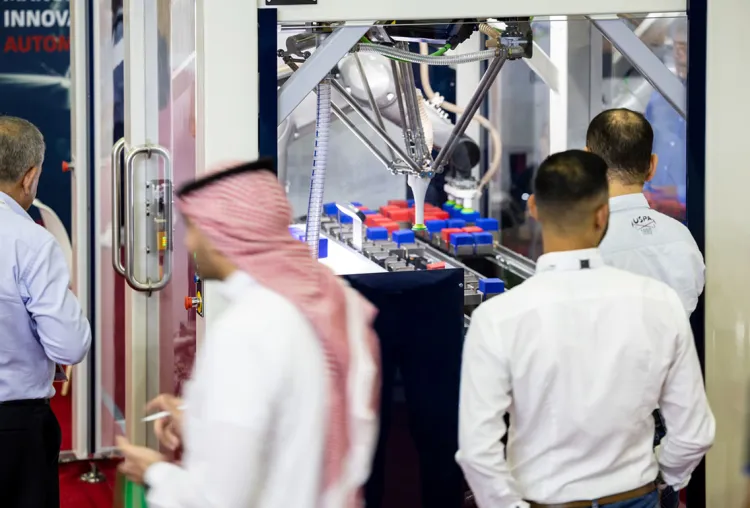
Common manufacturing challenges
that slow down operations
Does this reflect what’s happening in your manufacturing operations?
Manufacturing challenges rarely appear as isolated problems. They accumulate across departments and gradually reduce operational control.
These issues are interconnected.
Treating them separately only shifts the problem elsewhere.
What manufacturers need is a unified, data-driven approach that reconnects operations end to end.
On the ground, this typically looks like:
- Production planning becoming unreliable when raw materials arrive late or supplier prices fluctuate
- Inventory figures in the system no longer matching shop-floor reality
- Costs and margins calculated after production, leaving no room for corrective action
- Complex pricing rules applied inconsistently across customers, distributors, or markets
- Limited product and component traceability increasing compliance and recall risks
- Operational teams relying on spreadsheets or informal tools due to low trust in existing systems

Manufacturing ERP is not
a software problem
It is a control, coordination, and adoption challenge
Many manufacturing ERP projects fail not because the software is inadequate, but because real operational challenges are misunderstood.
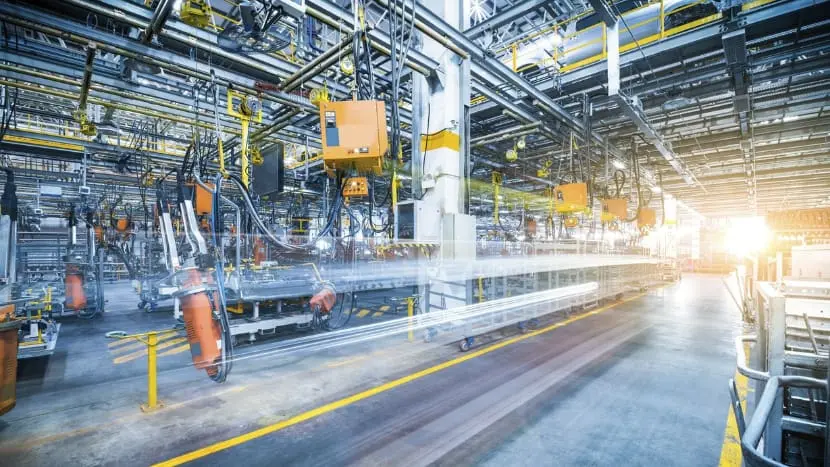
In manufacturing environments:
- Production planning depends on accurate inventory data
- Cost control depends on reliable purchasing, labor, and production inputs
- Pricing consistency depends on alignment between sales, finance, and operations
Common warning signs include:
- Disconnected systems between production, inventory, sales, and finance
- Manual data entry and workarounds that introduce delays and errors
- Loss of trust in data, leading teams to bypass the system
- ERP implementations disconnected from shop-floor realities
One integrated manufacturing system to restore operational control
From raw materials to financial reporting, everything works as one
To regain control over manufacturing operations, data must flow seamlessly across production, inventory, sales, purchasing, and finance.
Solution Founder implements a fully integrated Odoo manufacturing ERP, configured to support real operational workflows rather than theoretical process diagrams.
Instead of isolated modules, manufacturers operate on a single operational backbone where shop-floor decisions immediately impact financial outcomes.
This approach delivers:
- End-to-end visibility across manufacturing, inventory, sales, and accounting
- Real-time data consistency for faster and more reliable decisions
- Reduced manual effort and fewer operational errors
- A stable foundation to scale production without losing control
Once the system is unified, each operational area can be optimized with confidence.
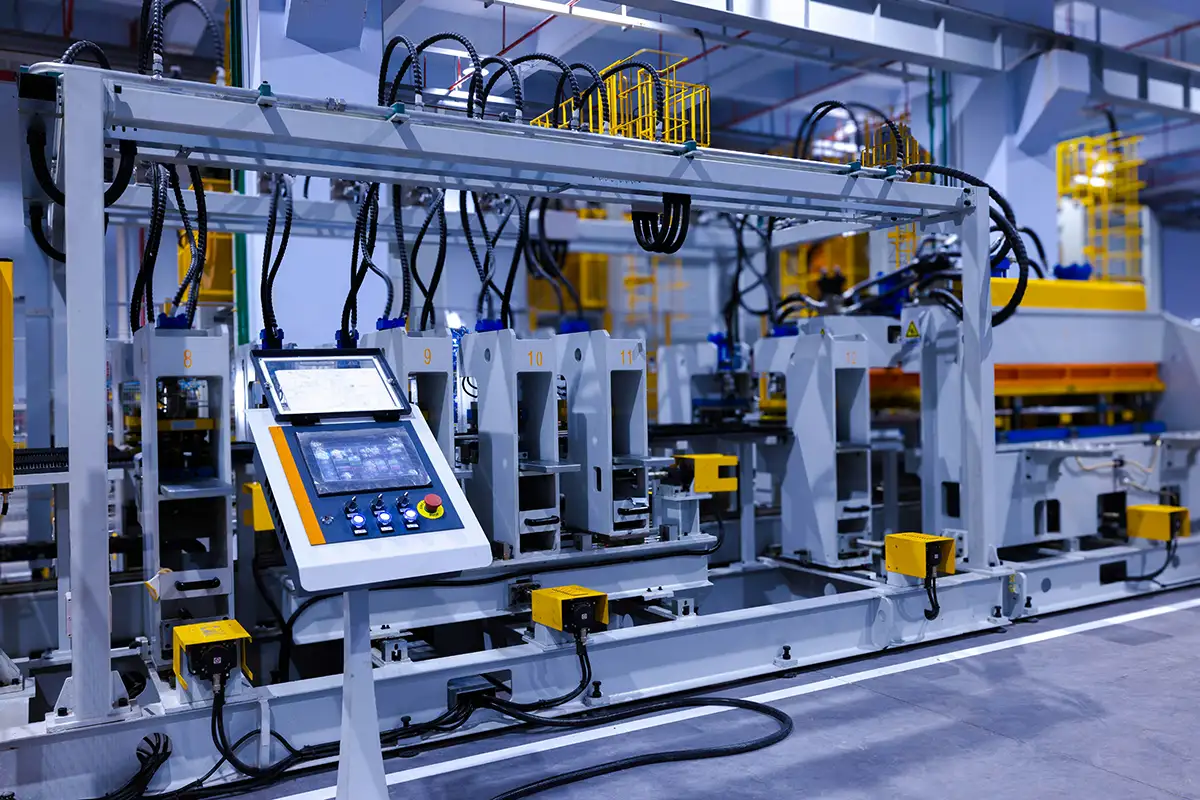
Our manufacturing ERP solution built on Odoo 18
Designed for manufacturing workflows, not system constraints
An ERP system only creates value when it reflects how manufacturing actually works.
Our Odoo manufacturing ERP solution is configured to support complex production realities while keeping data reliable, usable, and actionable across departments.

Integrated ERP core
Manufacturing, inventory, sales, purchasing, and accounting operate within a single system.
- One source of truth across departments
- No data duplication or reconciliation work
- Immediate visibility on operational and financial consequences

Advanced production management
Odoo 18 manufacturing tools support both structured and flexible production strategies, including make-to-order and make-to-stock.
- Accurate material requirements planning (MRP)
- Controlled work orders and work center scheduling
- Built-in quality checks to reduce waste and rework

Inventory management & traceability
Inventory accuracy and traceability are essential for cost control, compliance, and customer confidence.
- Real-time stock visibility across warehouses and production locations
- Lot and serial number tracking from raw materials to finished goods
- Improved recall readiness and audit compliance

Cost and margin control
Manufacturing profitability depends on understanding real costs, not estimates.
- Accurate COGS calculation including materials, labor, and overhead
- Clear margin visibility per product, order, or customer
- Better-informed pricing and production decisions

Flexible sales and pricing management
Manufacturers often operate with complex pricing models and non-standard units of measure.
- Multiple price lists per customer, distributor, or market
- Automated and volume-based pricing rules
- Support for complex and non-native units of measure in sales scenarios

Change management and user adoption
Technology only delivers value when it is adopted by the people who use it daily.
- Structured onboarding and training programs
- Practical educational content for operational teams
- Faster and more sustainable adoption on the shop floor and in sales
Designed for real manufacturing environments
Built for operational reality, not ideal conditions
Manufacturing ERP projects rarely start with perfect data or clean processes.

From day one, we address real-world situations
such as:
- Incomplete or unreliable data at project start
- Non-standard production or sales units of measure
- Pricing rules built over time and difficult to document
- Manual workarounds used to keep operations moving
- Limited tolerance for disruption on the shop floor
What this means in practice:
- Faster operational stabilization after go-live
- Progressive data improvement without blocking production
- Higher trust in the system among operational teams
- Tangible operational gains instead of theoretical results
Why manufacturing ERP projects often fail
And how we prevent these failures
Manufacturing ERP projects often fail not because of technology, but because ERP is treated as an IT deployment instead of an operational transformation.
Common failure factors include:
- ERP implemented without process alignment
- Focus on configuration rather than operational usability
- Weak or unreliable data foundations
- Insufficient training for shop-floor and sales teams
- Lack of ownership and follow-up after go-live
Our approach avoids these pitfalls by:
- Starting with business-first analysis before configuration
- Stabilizing core operational flows before adding complexity
- Prioritizing usability and adoption over feature depth
- Supporting teams beyond go-live
Once these risks are controlled, ERP becomes an operational tool again, not just a reporting system.
Why manufacturers choose
Solution Founder
A manufacturing-focused ERP partner, not just an Odoo integrator
Choosing an ERP partner is as strategic as choosing the software itself.
Manufacturers work with Solution Founder because we understand the operational trade-offs behind production planning, cost control, pricing complexity, and traceability.
Our role goes beyond implementation.
We help manufacturers restore control, structure operations, and build systems that scale with the business.
What sets us apart:
- Deep understanding of manufacturing and industrial processes
- Proven experience with Odoo manufacturing ERP in complex environments
- Strong focus on operational control rather than feature lists
- Pragmatic approach to change management and user adoption
- Clear alignment between operational performance and financial outcomes
The objective is not to deploy ERP.
The objective is to make manufacturing operations easier to manage, day after day.
Learn more about our approach, about Solution Founder and Eezee Group
About us